
Protecting Scotland’s wild areas from plant pests and diseases
A new resource, the Plant Health Biosecurity Plan, helps ensure that conservation efforts achieve positive outcomes without doing unintended harm
For the first time, groups carrying out conservation work in non-woodland natural environments have a bespoke biosecurity plan resource to reduce the risk of their activities introducing harmful pests and pathogens. The increased occurrence of impactful pests and diseases on Scotland’s native plant species has been of mounting concern in recent years. Tree species have been particularly hard hit. For example ash dieback, caused by the fungus Hymenoscyphus fraxineus, has caused the death of millions of ash trees (Fraxinus excelsior) since its introduction in the 1990s. This has led to F. excelsior being reclassified from ‘Least Concern’ to ‘Near Threatened’ on the IUCN Red List of Threatened Species. Likewise, the introduction of Dutch elm disease in the 1970s has led to the loss of the majority of large elm trees across Great Britain. There are also threats to the iconic Caledonian Pine Forests of Scotland due to pests and diseases of Scot’s pine (Pinus sylvestris).
However, whilst tree health issues are high profile, and symptoms are usually noticed quickly, plant health issues on non-tree species in the wider environment often receive less attention. For example, heathland species such as blaeberry (Vaccinium myrtillus) are susceptible to numerous introduced Phytophthora pathogens.
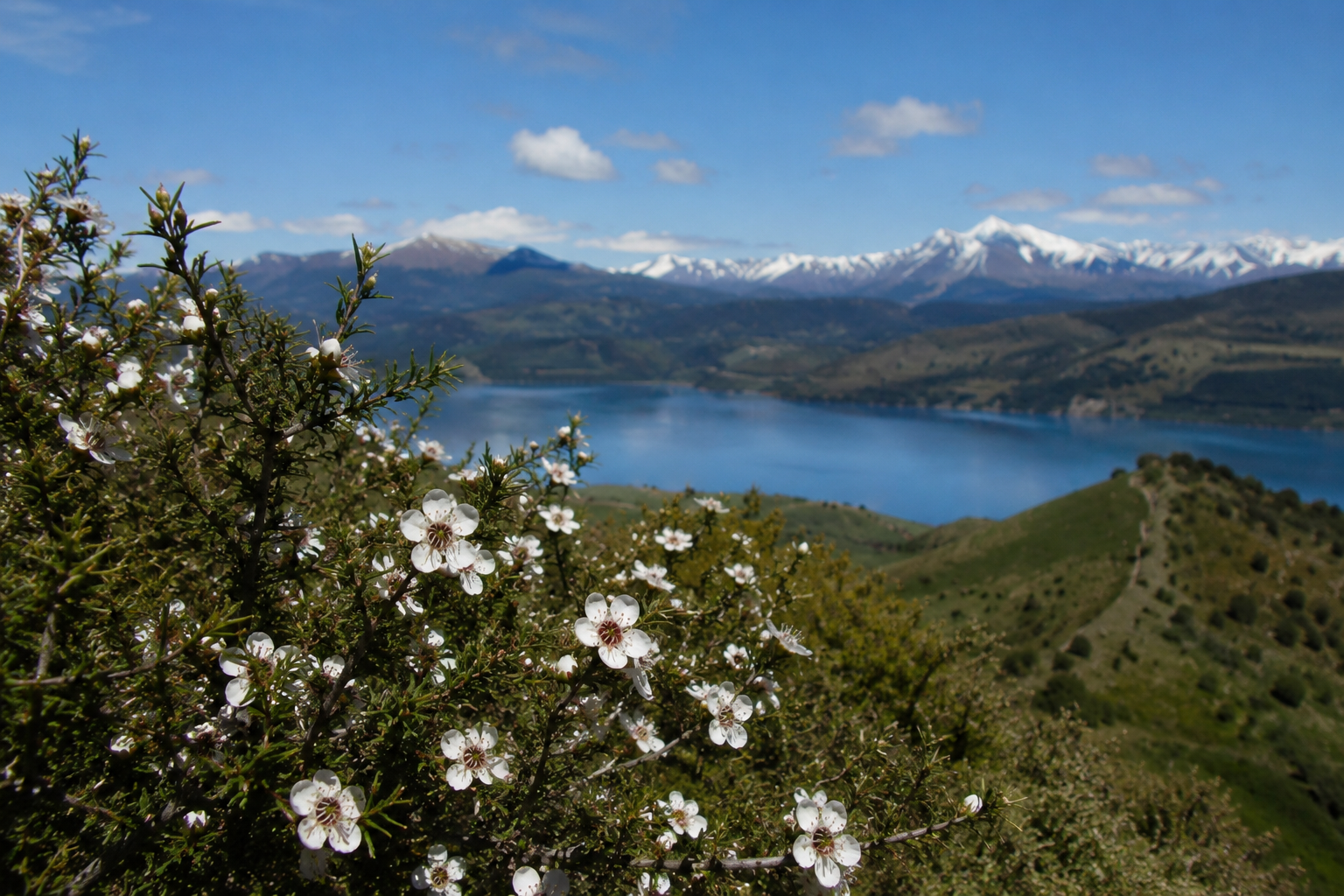
Plant pests and pathogens can be inadvertently introduced into new areas very easily and in several ways. Introduction can happen directly, on infected plants for example, or indirectly, on workers boots or vehicles. Once introduced, invading species are usually impossible to remove, leading to permanent ecosystem changes. An example of this is Myrtle rust on New Zealand plants in the family Myrtaceae including Manuka and Kanuka.
Plant Health Centre research is creating change
Over the past 5 years, the PHC has funded a number of projects to better understand how to reduce the risk of the inadvertent introduction of plant pests and diseases into the natural environment through improved biosecurity awareness. This includes a PHC Fellowship, carried out by Dr Ruth Mitchell (James Hutton Institute), which aimed to understand whether plant health risks are considered during habitat practices, which pests and diseases are of particular concern to Scottish habitats, and whether biosecurity risk assessments were being carried out and adhered to. This was followed by PHC guidance on Biosecurity Best Practice for Conservation.
In order to turn this previous work into a resource to help stakeholders carry out a more thorough biosecurity risk assessment, the PHC funded a further project to develop a specific resource which can be used to carry out an appropriate biosecurity assessment before work starts. This was carried out by myself, Ruth Mitchell and Alistair Yeomans (Biosecurity consultant), and was aimed at those carrying out conservation work in the natural environment (e.g., relocations, translocations, habitat creation, habitat restoration).
This project produced a resource that leads users through a systematic process to create a biosecurity plan which is bespoke to the stakeholder’s proposed project; this resource is called the Plant Health Biosecurity Plan (PHBP). Once produced, this can be shared with colleagues, funding bodies, and licencing authorities, to show that the applicant has considered biosecurity during the planning stages of their project.
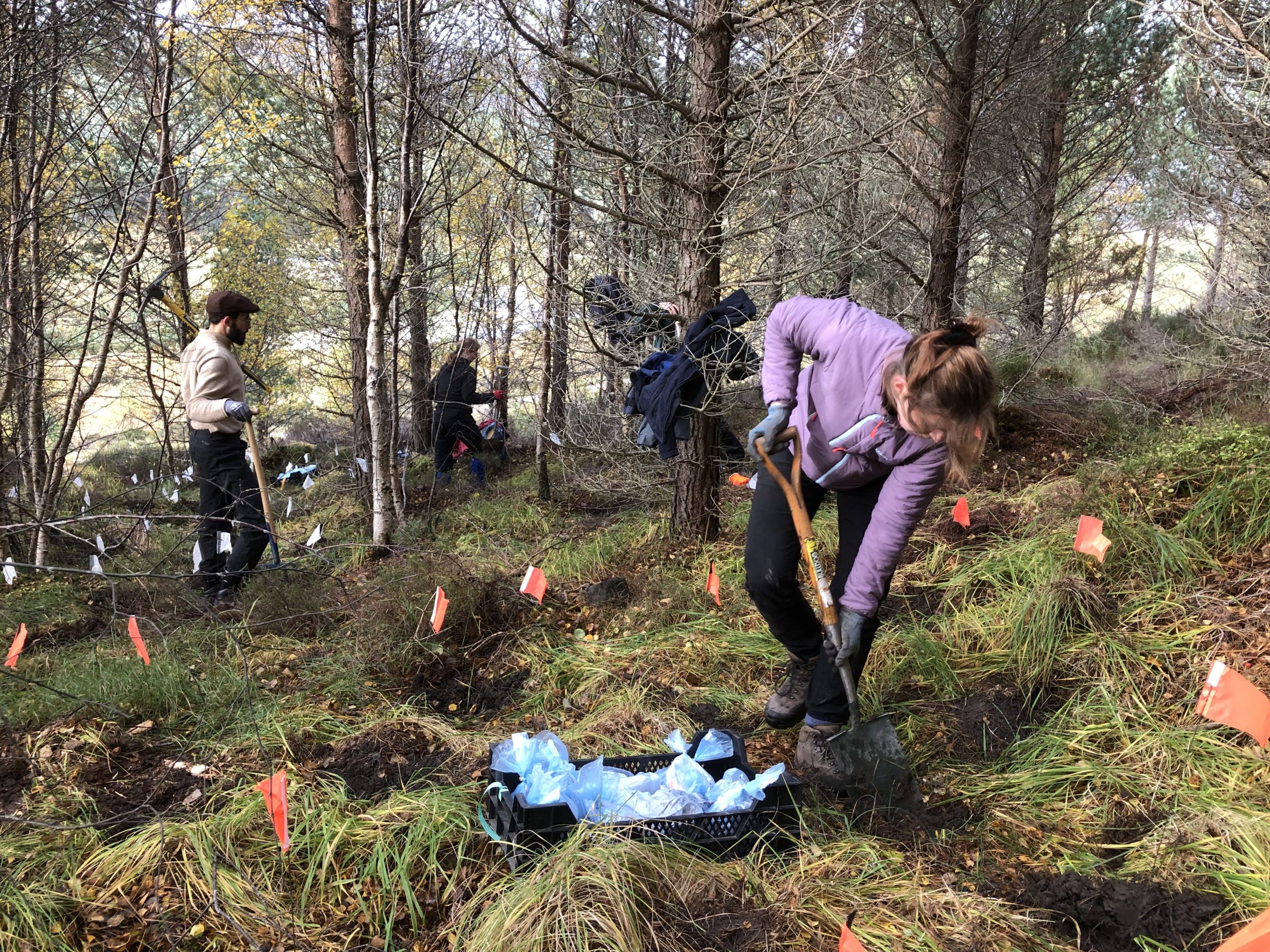
Photo credit: Aline Finger
Utilising the Plant Health Biosecurity Plan
The PHBP is based on the Plant Health Management Standard which is a freely available and sets out the requirements for those who are Plant Healthy Certified. A major element of this Standard which has been included within the PHBP, is that it requires stakeholders to consider pest movement pathways. For example, if a user is planning to bring plants onto a site for habitat restoration, it asks them to detail where the plants have come from, whether someone is responsible for checking their health upon their arrival at the site to be planted, whether they are free of growing media which can harbour pests and diseases, etc.
By considering pathways of movement in this way, users don’t necessarily have to have expertise in entomology or plant pathology, becoming overwhelmed by the biological details of each specific pest and pathogen species, but rather consider the means by which they could arrive on site. This systematic approach enables stakeholders to examine their proposed conservation work in a much more detailed manner, considering where the biosecurity risks exist and putting measures in place to mitigating them.
Whilst this resource is primarily aimed at those carrying out conservation work, it can be used to assess biosecurity risks by a wide range of stakeholders who are carrying out any work in the wider environment.
It is hoped that this resource will raise awareness of the importance of carrying out biosecurity risk assessments before work starts in the natural environment. For example, filling out such an assessment could be part of an application for funding for a conservation project, thereby embedding the assessment of risk within the funding process. This will significantly reduce the risk of the introduction of a pest, disease or invasive species into a new area during conservation work.