
Evaluating the potential of predator diet analysis as a monitoring tool for plant pests of concern
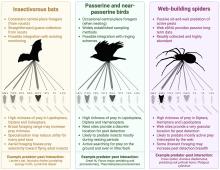
Plant pest surveillance is becoming more challenging as climate change and global trade accelerate pest spread, while traditional monitoring methods can be costly, slow and difficult to scale. Advances in molecular techniques, such as DNA metabarcoding, offer opportunities to explore alternative approaches. One emerging method involves analysing the diets of natural predators as indirect indicators of pest presence.
This project reviewed the scientific literature to assess whether molecular analysis of predator diets could contribute to plant pest monitoring, with a focus on forestry and relevance to a Scottish context. The review examined how predator diet metabarcoding has been used to detect pests, which predator groups appear most suitable, how the approach might complement existing monitoring schemes, and key technical, logistical and regulatory considerations.
The evidence shows that DNA metabarcoding of predator diets can detect plant pest species and has been used successfully in ecological studies, most commonly involving insectivorous bats, birds and web‑building spiders. These studies demonstrate technical feasibility and can reveal pest–predator interactions that are difficult to detect using conventional trapping methods. In some cases, predator diet analysis could provide useful additional information for pests that are rare or highly mobile.
However, relevant studies remain limited, particularly within UK and Scottish systems, and there is wide variation in methods and interpretation. Practical challenges, including licensing, costs, risks of false detections and the need for validation alongside existing surveillance, mean further development is required. Overall, predator diet metabarcoding shows promise as a complementary tool within a broader pest surveillance framework.